



Type at least 2 characters for suggestions, or press Enter for the full search.
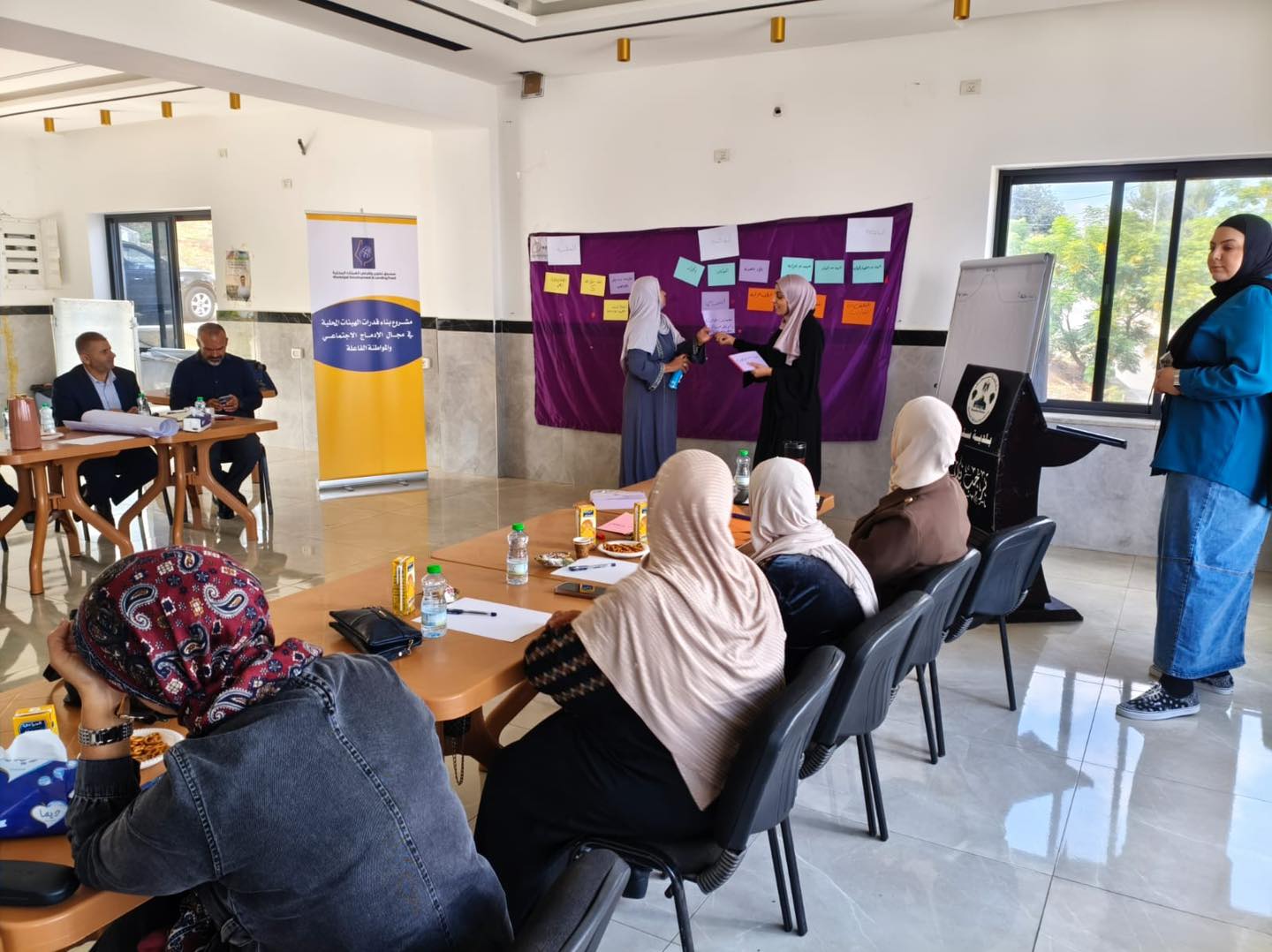
The Marginalized Communities Development Project (MCDP) in Gaza was designed to improve service delivery in marginalized communities while strengthening the accountability of local authorities to citizens and civil society groups, including youth, women, and persons with disabilities. Beyond its development objectives, the project also created opportunities for emerging community leaders to take on meaningful roles in local decision-making. One of its most inspiring outcomes was the emergence of a young female leader who successfully challenged social barriers and became a role model within her community.
A key feature of the project was its participatory approach, which actively engaged local communities in identifying their priorities and development needs. Through this process, communities played a central role in planning and decision-making, ensuring that development interventions reflected their actual needs and aspirations. This approach strengthened community ownership and promoted meaningful participation in improving the quality of life in marginalized areas.
To institutionalize this participation, local community committees were established to support the implementation of the Gaza Vulnerable Communities Development (GVCD) Project. These committees became an essential link between municipalities and residents, contributing to project planning, implementation, monitoring, and community outreach.
One of the committee members, elected by local residents, was chosen to chair a community committee. She demonstrated exceptional commitment by monitoring infrastructure projects, facilitating communication between municipalities and citizens, and helping resolve local issues. Committee members also participated in planning meetings, contributed to project development, organized awareness activities, and supported municipalities in implementing preventive initiatives and COVID-19 awareness campaigns.
A total of seven local community committees were established, comprising 103 members, including 38% women and 5% persons with disabilities. The committees became active community platforms, regularly sharing their activities through social media and implementing more than 260 awareness sessions and community campaigns aimed at strengthening civic engagement and social accountability.
Mrs. Nada Khash'aan, Chair of one of the local committees in Al-Qarara, describes her experience:
"During the seven months I served as coordinator of the community committee, I learned far more than I had throughout my university education. The experience transformed me socially, psychologically, and personally. I faced many challenges from both my family and the wider community, but every challenge made me stronger."
Like many women engaged in community leadership, Nada had to balance family responsibilities with volunteer work, often attending evening meetings and responding to urgent community issues while managing her personal commitments.
She recalls that supervising the rehabilitation of Al-Shaibat Street in Al-Qarara required regular field visits, where she encountered skepticism simply because she was a young woman in a leadership role.
"Many residents and even construction workers were not accustomed to seeing a woman supervising public projects or asking about their level of satisfaction. Instead of discouraging me, these reactions motivated me to continue engaging with the community and listening to their feedback."
Nada also remembers giving an interview to one of the most widely followed local media outlets, where she introduced the committee, its mission, and its achievements.
"My father told me how proud he was of me, and for the first time I truly felt proud of myself. Later, when I read some of the online comments questioning how a woman could hold such a position, I felt disappointed. Yet the encouragement I received from my colleagues and respected community leaders reminded me that criticism often accompanies success."
Leading her first committee meeting was another significant challenge. With limited previous leadership experience, Nada invested considerable effort in developing her facilitation and communication skills through self-learning, research, and continuous practice, while benefiting from the support of her family, fellow committee members, and the project's participatory approach.
Today, after successfully chairing twelve committee meetings, Nada has established herself as one of Al-Qarara's emerging community leaders.
"Every meeting teaches me something new. Today I feel more confident than ever. I am proud to have become a role model for many young women in my community and to see society becoming more accepting of women's leadership."
Today, the Marginalized Communities Development Project stands as a testament to the transformative power of community participation. By creating opportunities for leadership and civic engagement, the project has enabled members of marginalized communities to overcome social barriers, strengthen local governance, and become active partners in shaping their communities' future.